
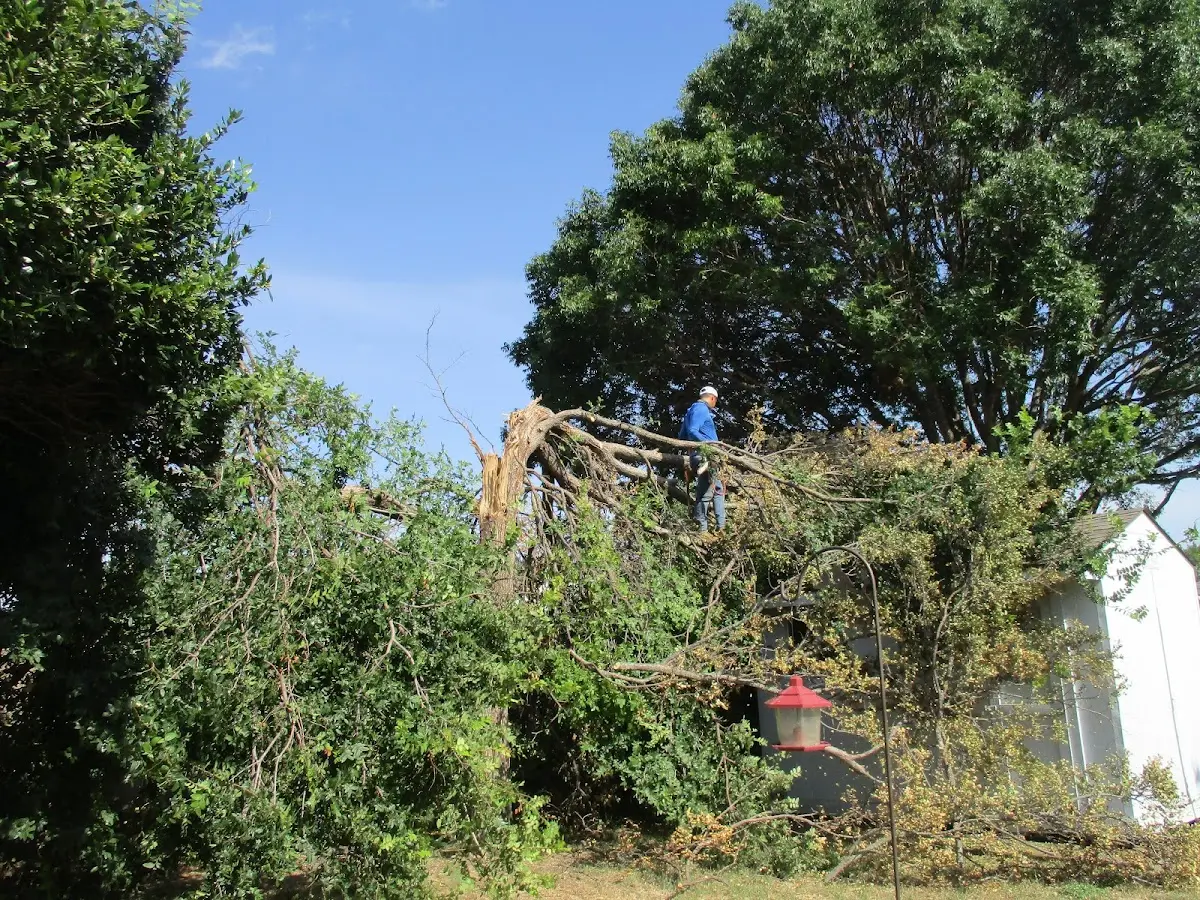
Expert tree disease treatment in Bloomington, TX. ISA-trained arborists, proper rigging, and clean results you can count on.
Targeted tree disease treatment for Bloomington property owners. B. Haney and Sons Arborists arborists diagnose tree pathogens accurately first — oak wilt, anthracnose, Dutch elm disease, apple scab, and others — then prescribe treatments based on the disease biology. We apply EPA-registered fungicides only when they will actually help, never spray-and-pray.
Properties throughout Bloomington (pop. 1,167) face unique challenges when it comes to tree disease treatment. Texas climate patterns, the local tree species mix, and the specific site conditions across Bloomington all influence the approach we take. B. Haney and Sons Arborists tailors every tree disease treatment project to the conditions your property actually faces — no generic solutions, no unnecessary work, no upselling on services your trees do not need.
Choosing the right contractor for tree disease treatment in Bloomington, TX makes the difference between proper tree care and damage that can last for decades. B. Haney and Sons Arborists uses correct rigging, follows ANSI standards, and backs every project with workmanship pride from a company carrying on a tree care tradition since 1940. Call (833) 214-3237 to schedule your free arborist assessment.
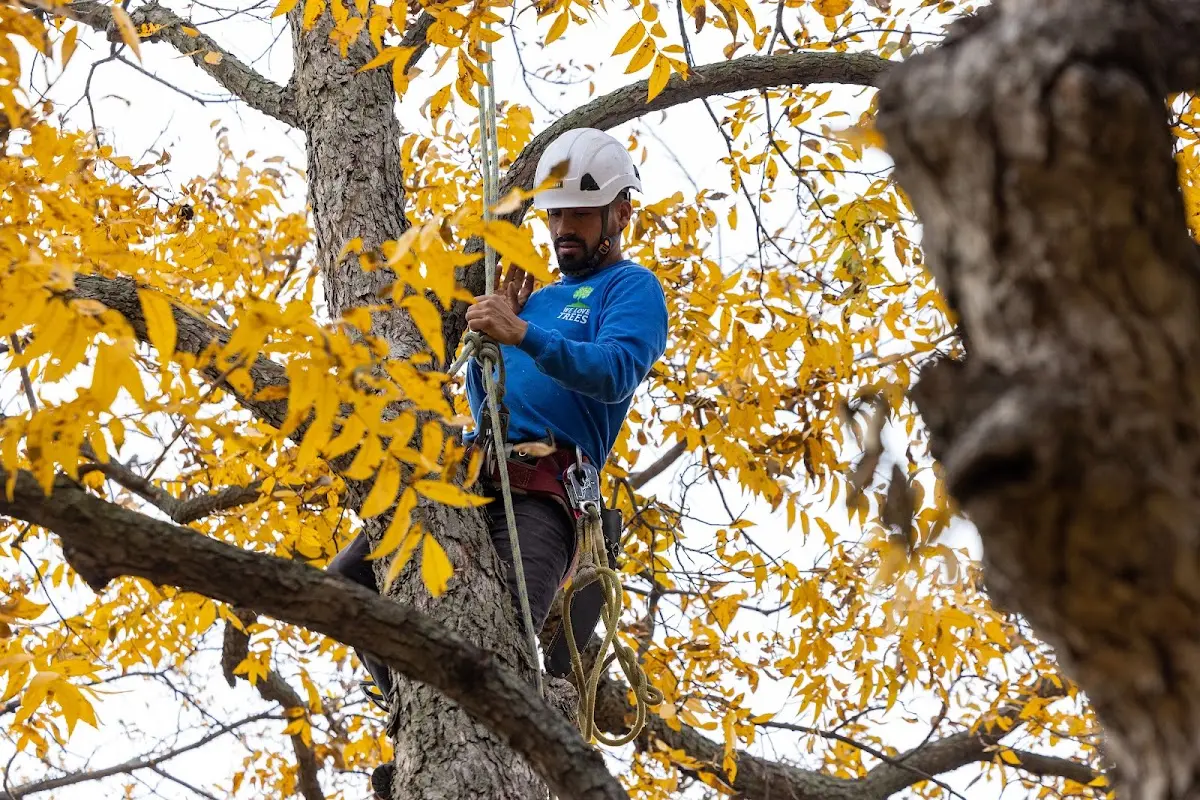
Here is how we handle every tree disease treatment project in Bloomington.
Our Bloomington arborist arrives at your property to evaluate the situation — tree species, condition, target zones, and access. We answer your questions and explain exactly what the job involves.
B. Haney and Sons Arborists provides transparent written pricing for every tree disease treatment job in Bloomington. The quote includes all the work, all the cleanup, all the equipment — no surprises on the final invoice.
Our crew arrives on schedule with the right equipment, follows ANSI Z133 safety standards, and executes the work with proper rigging and tree-care science.
Our Bloomington crew cleans up everything before leaving — branches hauled off, chips raked smooth, stumps ground if part of the scope. We do a final walkthrough so you can confirm satisfaction.
Common questions about tree disease treatment in Bloomington.
The cost of tree disease treatment in Bloomington depends on tree size, species, access, equipment required, and whether stump removal is included. B. Haney and Sons Arborists provides free written estimates with transparent pricing so you know exactly what to expect before any work begins. We work in a wide range of budgets and never quote blind.
Yes. Standard B. Haney and Sons Arborists tree disease treatment service in Bloomington includes hauling all branches and brush, chipping small wood, raking the work area, and leaving the site cleaner than we found it. No surprise debris-removal fees on the final invoice.
Yes. B. Haney and Sons Arborists carries full general liability and workers compensation insurance for all tree disease treatment work in Bloomington. Tree work is high-risk and uninsured contractors expose property owners to serious financial liability. We provide certificates of insurance on request before any job starts.
For non-emergency tree disease treatment in Bloomington, we typically schedule within 1 to 2 weeks of estimate approval. For emergency tree work, our crews can usually arrive within 1 to 4 hours of the call. Schedules tighten significantly during storm weeks across Texas.
Honest reviews from property owners who chose B. Haney and Sons Arborists for their tree care needs.
"Crown reduction on two large maples that were getting too big for our small lot. The arborists made proper reduction cuts to lateral branches — none of that ugly topping that other companies do. Trees look natural and healthy and the size is perfect now."
"Hazardous tree removal on a leaning oak threatening our house. Crew arrived on time with proper equipment, rigged everything down in sections, and the property was completely safe the entire time. Great communication from quote through cleanup."
"Hired them for a tree disease treatment after we noticed yellowing leaves on our birches. The arborist diagnosed the issue, recommended a treatment plan, and the trees recovered beautifully. They could have pushed unnecessary treatments — they did not."